If there’s one thing I can take away from all of the rapid change in my life, it’s that there are choices each person can make to bring about hope. The world is in turmoil. The inundation of doom in news media, constant advertising that drives commerce based on projected insecurities, and a constant focus on what divides us over what unites us as human beings is meant to sow hopelessness – a feeling of being powerless in the grand system that is.
A lot of my conversations have been unusual recently. Folks have reached out from years past, new folks have come in to share their truths, and all the while one theme is a constant thread – feeling stuck, powerless, afraid. A lot of us have given up on the idea that anything can change. Stagnating feels like survival – to protect ourselves, stay quiet, and protect what little safety we have managed to create for ourselves.
The first step is to understand that this constant messaging is designed to benefit the power dynamics that control the grand narrative of history, pouring into the enormous imbalance in society. Confusion starts with unreliable information, emotional stagnation/numbing, and division that leads to everyone hiding as safely as they can to ‘weather the storm’ while feeling unempowered to change anything.
The second step is to reject that narrative of powerlessness, enabling a person to see the possibilities that are available, often hidden by the confines of expectation and the stagnation of ‘weathering the storm.’ Before I left home, I was gifted a pamphlet that I won’t share as I do not have express permission from its creator, but it was centered around the idea that there are small things each of us can do to improve the present toward a brighter future. For me, it built the foundation of understanding that great power comes from the connection of small choices made and the connections between people. Each of these choices create their ripples in time.
The third step is to make small choices toward being the person we would want our friends, our mentors to be, and taking action on those small choices. What if each of us spent some minutes each day or each week doing something to help, to do something kind with and for one another? Like each droplet of rain in a downpour, the cumulative effect of these seemingly insignificant efforts can be monumental.
This can look like a deliberate/concerted effort, where minutes spent in numbing or worrying are repurposed to periods of positive action – 30 minutes less a week of scrolling social media, 30 minutes instead of volunteering, helping a neighbor, giving back to the community. This can of course scale, more or less time, as the fear of putting oneself out there and the practice of asking ‘what’s in it for me?’ as the first reason to do or not do something are slowly relinquished.
This can also look like a choice to shift one’s perspective in all everyday actions, to see the positive and be kind when faced with difficulty. An example of my own centers around how we react to unpleasant public moments:
Someone cuts in front of you in line at the grocery. This could cause a reaction of impatience, aggravation, and the more stress surrounding a person the stronger these reactions can be. The choice instead could be to accept the delay, allow this person to go ahead of you – maybe they have a sick child at home, maybe they are trying to get medicine while on a short break from work, maybe they didn’t see you there at all, or maybe they just truly want to cut in line. The key is understanding that this person is just like you, with stresses, places to be, and that their reasons don’t have anything to do with you. In fact, even if this person glares at you deliberately, scowls, and cuts ahead – this is not personal to you, it’s a projection of their personal difficulties.
Choosing to see people this way can bring a sense of peaceful understanding and connection that replaces the impatience and aggravation. Even if you don’t acquiese, and instead politely point out where the end of the line is – this can be done compassionately, rather than from a place of ‘what about me?’ Who knows – maybe this small delay means on your way home you narrowly avoid a motor accident.
Even in my darkest moments recently, I’ve chosen to find someone to encourage – another online writer, someone worrying aloud in conversation. I’ve chosen to pick up the trash someone else left, to adapt instead of complain, to be patient instead of reactive. I’ve chosen to help someone find something in the store, to hold the door, to give the support I would want to have, to embody the kind of person I would want to have in my life.
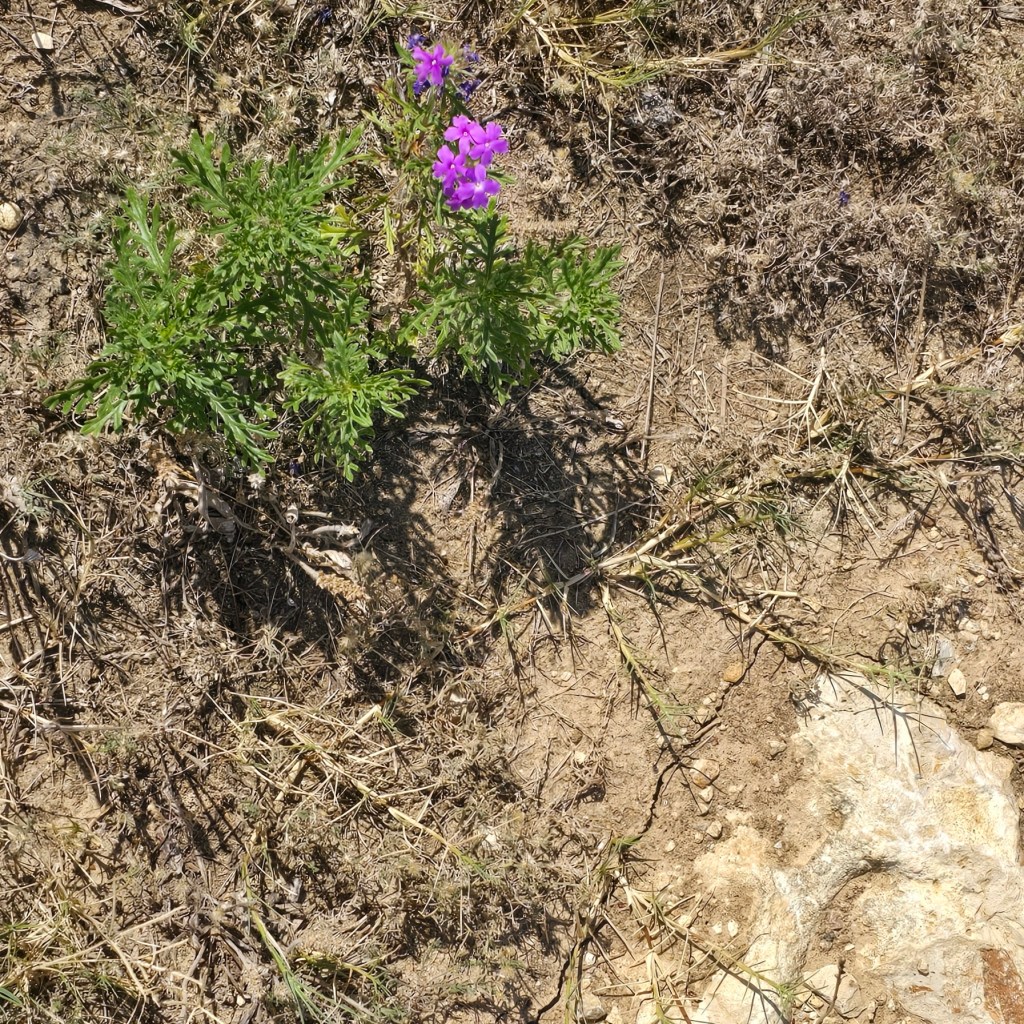
Compassion and patience in everyday interactions is its own set of daily raindrops that foster a storm of empathy and kindness, and the practice requires next to no effort or time to implement. What we put out into the world comes back to us, if not immediately, then eventually. When kindness and empathy start to become part of the everyday, when we put down the things that placate our fears to take even the smallest of steps toward community, this shifts the focus away from hopelessness and stagnation. Empathy with ourselves and others fosters community over division, each droplet of rain becoming a storm that waters drought-cracked soil, and interrupts the negative power dynamics of broader society.

 Alchemic Verse
Leave a comment